
Most Australians know keno as a single ticket, but a keno multi card game lets you run several picks at once, which changes how you pace yourself. I have spent twenty years modelling paytables and player behaviour, and the math here is straightforward: more cards mean more exposure per spin, not a hidden edge. When you find a venue that publishes its draw cadence and lets you cap your spend, you can treat it like any other leisure cost. A solid stellar spins casino review often highlights how clearly a site lays out its limits, which is worth checking before you load up.
Reading the board before you buy tickets
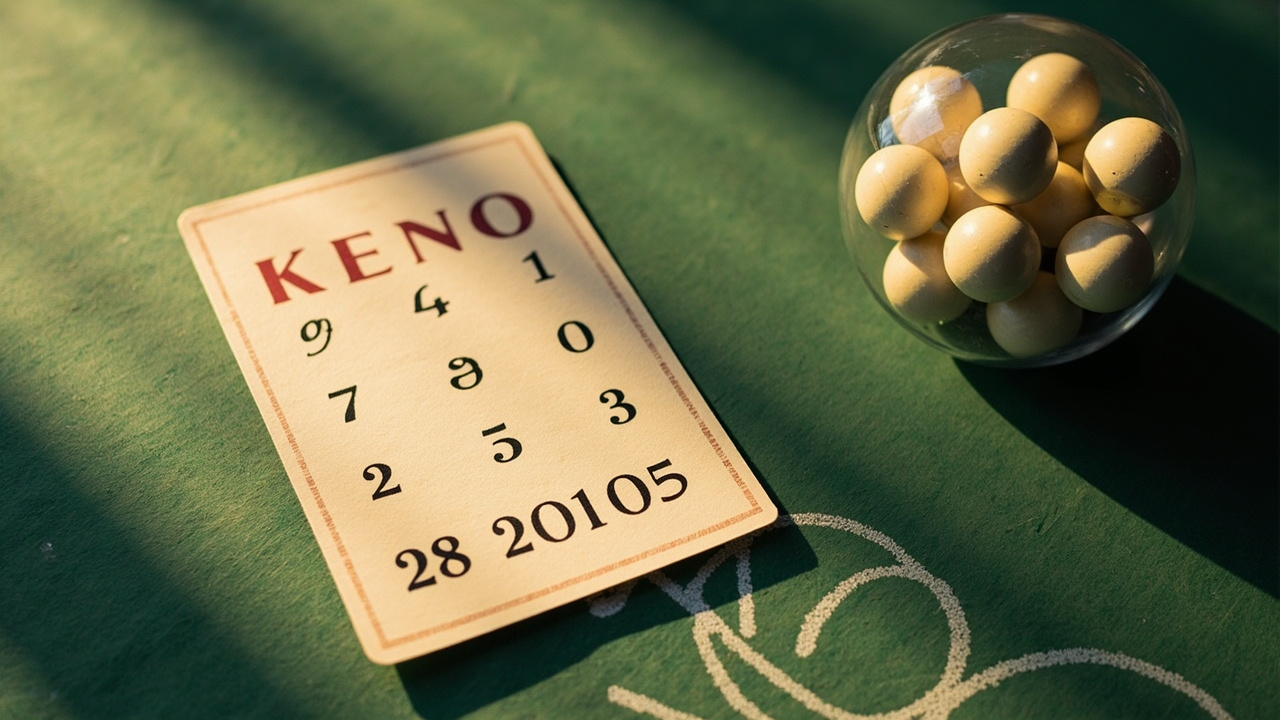
A keno multi card game works by letting you mark multiple spots across several cards in one round, then watching a single draw resolve them all. The practical skill is picking a pace that matches your bankroll rather than chasing the loudest payout on the board. In my slot modelling work, I have seen players burn through a session because they treated every card as a separate bet instead of one coordinated play. Newcastle venues often keep the pace steady on busy nights, and that rhythm matters more than the top prize on the poster. If you are playing online, look for a draw schedule you can actually see and a ticket view that does not hide your active picks. stellar spins casino review
What the paytable is really telling you
The numbers on a keno multi card game board only matter if you read them as probabilities, not promises. A flush in card-based play is any five cards of the same suit, not in sequence, and that kind of defined hand is the sort of clear rule you want to see echoed in how a keno paytable describes its catches. I have patented a couple of skill overlays for chance games, and the lesson is the same: a player who understands the catch structure makes calmer decisions than one who reads the headline prize in isolation. The best sessions come from treating each card as a separate line item in your head, then deciding how many lines you can afford to run together.
Account controls and support that actually help
Trust is built on the boring parts, and a keno multi card game is no exception. Look for a site that shows its licensing details plainly, keeps your data behind proper security, and gives you real account controls before you ever need them. Deposits in Australian dollars, a clear registration flow, and mobile play that does not hide the settings menu are all signals that the operator expects you to stay in charge. When something goes wrong, you want support that answers in plain English, not a wall of fine print. A responsible-play tool that lets you set a loss limit or a session timer is more useful than any marketing claim about fun.
| Detail | What to look for |
|---|---|
| Licensing and security | Public licence info, encrypted account data, clear terms |
| Account controls | Deposit and loss limits, session timers, reality checks |
| Payments | AUD currency, straightforward deposit and withdrawal paths |
| Support | Real response times, plain-English help, accessible contact methods |
| Mobile and loyalty | Playable on phone, rewards that do not pressure you to chase |
Playing it steady at the pub or the barbie
The best way to treat a keno multi card game is as a planned expense, not a plan to get paid. I have sat through enough backyard barbies to know the conversation usually goes like this: “You playing a few cards or just one tonight?” “Few cards, but I set a limit before the arvo started, so no worries if it quietens down.” That kind of talk is the whole point. A player who decides their card count and their stop point before the first draw is using the game as entertainment, which is exactly how I would design the session flow. If you want a second view on how a site frames its limits, a neighbour comparison can be useful, especially when you are weighing support and account tools.

The same approach carries across the week, whether you are at a Newcastle club or checking in from home. Keep your card count tied to a budget you are comfortable with, and let the draw do what it does without re-entering the round just because a previous card went quiet. That is the discipline that keeps the game enjoyable, and it is the same discipline I apply when I am balancing a paytable for a new release.
